How to Reduce Allergens Through Your HVAC System in Apollo Beach
Published: 2026-06-08 · By ColdUrbano AC Repair Apollo Beach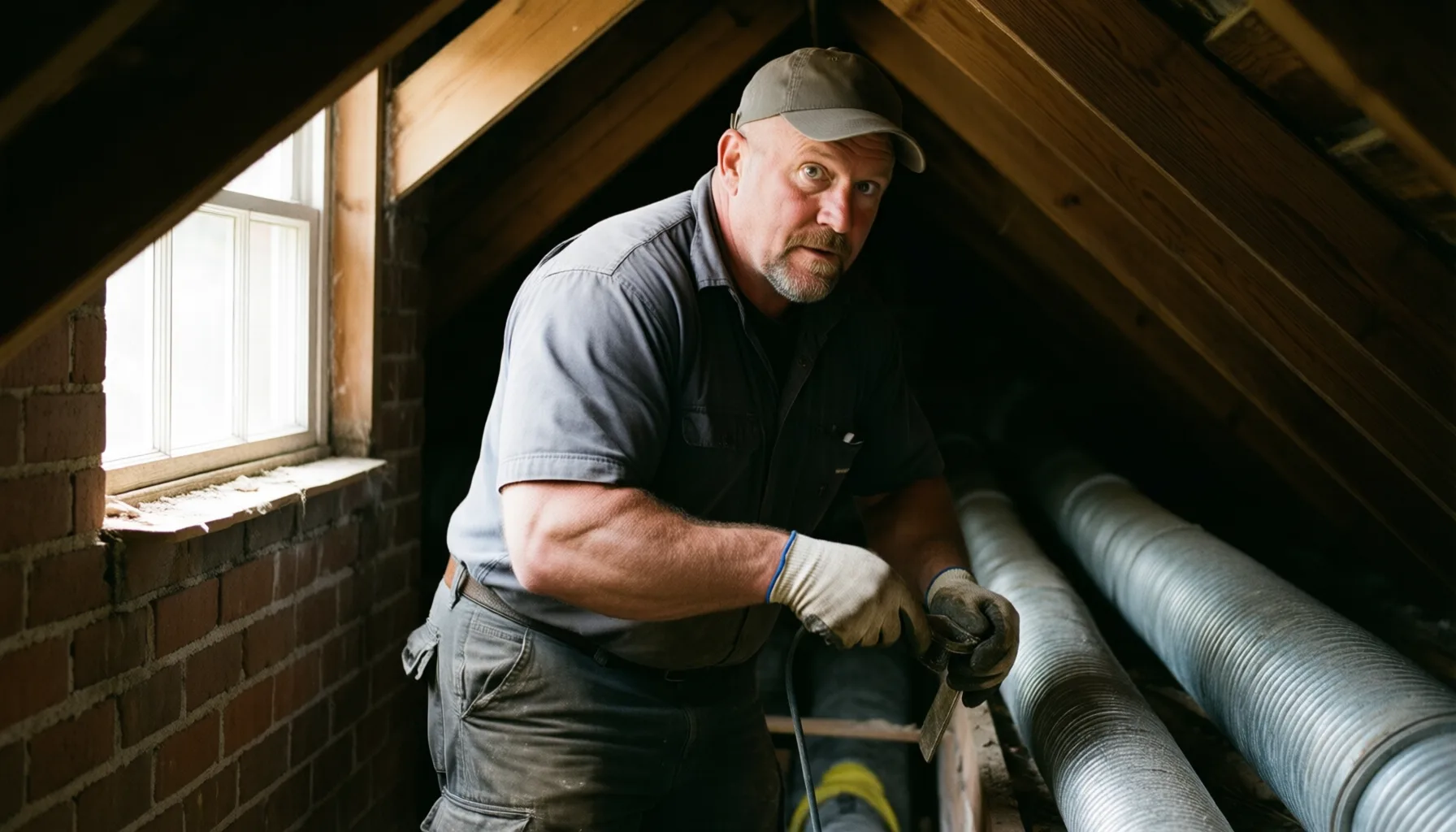
In Apollo Beach, the salty air and sticky humidity create an ideal environment for allergens to thrive, affecting the comfort and health of many homeowners. Imagine coming home after a long day and being greeted by overwhelming dust and pollen floating through your living room. With your HVAC system as a potential ally, there are actionable steps you can take to reduce these allergens and improve your indoor air quality. This article delves into the necessary measures to help you breathe easier and enjoy a healthier home amidst the challenges posed by tropical storms and coastal weather.
Why This Matters for Apollo Beach Homeowners
The humid climate in Apollo Beach, brought on by tropical storms and the salty breeze from the Gulf, plays a pivotal role in promoting the growth of allergens like mold and dust mites. For homeowners, this means persistent allergic reactions and respiratory issues, particularly during the peak hurricane season. Here, the interplay of heat and moisture creates an ideal breeding ground for these unwanted invaders. With the growing number of residents and properties, ensuring clean indoor air is more crucial than ever.
Moreover, the elevated homes common in our neighborhood can worsen these conditions if moisture barriers are not properly maintained. Salt air can corrode HVAC components, making it essential for property owners to stay vigilant about their systems. Maintaining clean air is not just for comfort; it’s a health necessity. Hence, understanding your HVAC's role in air filtration becomes essential for safeguarding the well-being of your family.
Tip: Regular maintenance of your HVAC system, including replacing filters and cleaning ducts, is vital for minimizing allergens.
Neglecting these measures can lead to significant health repercussions, particularly for those with asthma or other respiratory conditions, as Apollo Beach residents continue to battle the dual threats of nature and comfort.
Expert Solutions & Actionable Tips
1. Optimize Air Filters
Invest in high-efficiency particulate air (HEPA) filters for your HVAC system. Regularly replacing these filters every 3 months can prevent allergens from circulating in your home. Average costs for quality HEPA filters range from $30 to $70, depending on size and brand. Clean air starts with clean filters, pivotal for managing pollen and dust.
2. Maintain Humidity Levels
After particularly humid days, use a dehumidifier to bring moisture levels below 50%. This process can reduce the risk of mold growth in your home. The cost for a decent dehumidifier typically falls between $200 and $400. Consider setting it to run during the humid summer months to create a more breathable environment.
3. Schedule Regular HVAC Maintenance
Schedule semi-annual tune-ups with ColdUrbano AC Repair for your HVAC system. A professional service usually costs around $100 to $200, ensuring that all components are functional and not corroded by salt or moisture. Regular maintenance can effectively prevent allergens from developing inside your system.
4. Invest in UV Air Purifiers
Installing a UV air purifier within your HVAC system can eradicate harmful airborne pathogens. Typical installation costs range from $300 to $700, but the benefits include lower allergy symptoms and fresher air quality. This could be particularly beneficial during the storm season when allergens are prevalent.
5. Adjust Ventilation Strategies
Consider upgrading your home’s ventilation. Adding exhaust fans can help expel humid air, particularly in kitchens and bathrooms, reducing overall moisture. Costs for installation and modifications can vary widely, generally starting around $150 per fan. An efficient system minimizes the buildup of allergens throughout your property.
6. Utilize Indoor Plants Wisely
While indoor plants improve air quality, some species can also amplify allergens. Choose low-allergen plants like spider plants or peace lilies. There's no significant cost to this change, but be mindful that overwatering can lead to mold growth, counteracting the benefits of having plants indoors.
Apollo Beach Climate & Local Context
Apollo Beach is known for its warm tropical climate, characterized by high humidity levels that can contribute to corrosion in building materials and HVAC systems. Homes built on elevated platforms typically let homeowners avoid flooding but might not escape the mold issues related to dampness and moisture accumulation in harsh weather conditions. The potential for salt air corrosion adds another layer of complexity when it comes to HVAC maintenance.
The local building codes mandate specific salt and moisture resistance for materials, which can impact HVAC installations and replacements. Understanding these regulations can save homeowners on repairs while ensuring compliance with local laws. Furthermore, by choosing rust-resistant materials and waterproofing options, property owners can take significant steps toward prolonging the life of their HVAC units and ensuring clean air within their homes.
When to Call a Professional
Deciding when to handle HVAC issues yourself versus when to call in a professional can be challenging. Basic tasks like changing air filters or cleaning vents are manageable for most homeowners. However, significant issues warrant professional help. For example, if your HVAC system exhibits persistent strange noises, insufficient cooling, or ineffective airflow, the expertise of a professional may be essential.
- Strange noises that disrupt your normal environment.
- Persistent humidity issues despite HVAC running.
- Unpleasant smells coming from your air vents.
- Sudden spikes in energy bills.
- Frequently tripping circuit breakers.
- Visible leaks or accumulation of water around the unit.
In Apollo Beach, where unique weather conditions can complicate maintenance, it often makes sense to consult with experts like ColdUrbano AC Repair for peace of mind and effective solutions.
Frequently Asked Questions
What are the most common allergens found in Apollo Beach?
Pollen, mold, and dust mites are prevalent allergens in Apollo Beach, exacerbated by the humid climate.
How often should I change my HVAC filters?
In a coastal environment like Apollo Beach, changing your HVAC filters every 1-3 months is advisable.
Can salt air affect my HVAC unit?
Yes, salt air can significantly corrode metal components of HVAC units, leading to premature failures.
What maintenance is required for HVAC systems in humid areas?
Regular inspections, cleaning, and adjustments tailored to humidity levels are essential for HVAC maintenance in areas like Apollo Beach.
When is the best time to schedule HVAC maintenance?
Spring and fall are ideal times for HVAC maintenance in Apollo Beach, allowing you to prepare for the upcoming humidity and storm seasons.
Get Expert HVAC Service in Apollo Beach
By taking these actionable steps, you can create a healthier indoor environment free from allergens. For expert assistance, reach out to ColdUrbano AC Repair Apollo Beach by calling (656) 246-1188. Together, we can help you enjoy the comfort of your home without the worry of allergens.
Don't let the climate dictate your indoor air quality. Trust ColdUrbano AC Repair Apollo Beach to provide tailored solutions that suit your specific needs and conditions in Apollo Beach.